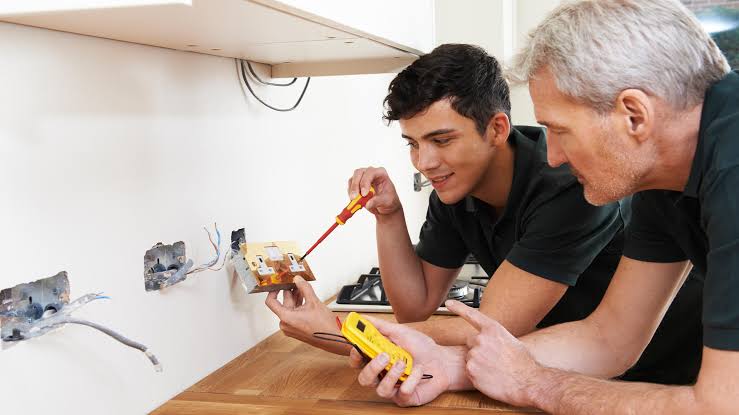
Electrical training is arguably one of the most practical postsecondary programs in Canada, particularly given the continued importance of the skilled trades in areas like construction, building, infrastructure, energy production, and industries. Many Canadian families still believe that a Registered Education Savings Plan is exclusively meant for college or university, but this is not true, as RESP savings can also be used for eligible apprenticeship programs and trade schools.
According to Statistics Canada, the number of new apprenticeship registrations hit 101,541 in 2024, which is 5.9% higher than in 2023 and represents the highest figure on record since the start of the series in 2008. It demonstrates the strong return of apprenticeship training programs in Canada. As far as RESP savings go, it means that electrical training can now become an actual alternative to other postsecondary programs.
At the same time, the Government of Canada states that RESPs can be used to cover costs associated with postsecondary education, like trade schools, colleges, universities, CEGEPs, and apprenticeships. Therefore, an individual planning to become an electrician can potentially cover the costs associated with an eligible electrician apprentice training program using their RESP savings.
The key is not simply asking, “Can RESP be used for trade schools?” The better question is, “Does this electrician training program qualify for RESP educational assistance payments?” That difference matters because RESP withdrawal rules depend on the type of money being withdrawn, the student’s enrolment status, and whether the training provider meets the rules.
What RESP Funds Can Cover For Electrician Training
Generally, RESP funds will cover training for the electrician provided that the recipient is enrolled in an eligible post-secondary education program, which can include on-site technical training, trade school training, and institutional training through the apprenticeship program.
Training to become an electrician is different from the training for a regular university degree. For instance, a person taking an apprenticeship program may attend training sessions while also undertaking practical work under supervision as part of their training. Therefore, it does not mean that a training session is automatically ineligible for the RESP fund.
The money drawn out of an RESP account to pay for the cost of becoming an electrician can be used for paying for tuition, books, training materials, transportation, and other education-related expenses. In some cases, the RESP holder may need to provide documentation showing enrolment in the course before making the education payment.
Contributions made to the RESP normally do not attract similar treatment as grants and growths. The subscriber may withdraw their contribution, but any money that accrues due to grants by the government and investments is generally payable only as an educational assistance payment when the beneficiary reaches certain qualification criteria. Therefore, parents should be knowledgeable about RESP withdrawals for apprenticeships before withdrawing money from the plan.
Are Apprenticeship Programs Considered Post-Secondary Education?
Yes, in most instances, it will depend on whether certain criteria are met that the apprenticeship program qualifies as post-secondary education under the terms of the RESP program. The Government of Canada specifies apprenticeship programs as among the forms of education that RESPs can finance as post-secondary education.
The significance of this information lies in the fact that the nature of electrician training does not always conform to the requirements of post-secondary education. In such circumstances, the student earns wages while being trained. Class attendance could be in block form rather than the full semesters that characterize regular courses of study. It could even be handled by the provincial apprenticeship board, technical school, college, or any other acceptable training institution.
The key issue in relation to the RESP will therefore be to determine whether the trainee is in a qualifying educational program at an eligible educational institution. If he/she is, the payments will apply, but if not, clarification is necessary.
The safest approach is to get the program name, institution name, enrolment confirmation, program length, and weekly hours of instruction. These details help the RESP provider decide whether the electrician apprenticeship training meets the rules.
RESP For Electrician Apprenticeship: How It Works
Use of RESP for electrician apprenticeship training normally occurs after the beneficiary has been accepted or enrolled in the eligible program. The student or the parents seek enrolment confirmation from the educational institution or training provider, who forwards that information to the RESP promoter for verification. After reviewing the application, the promoter confirms the type of withdrawal the RESP can make.
Typically, the RESP can withdraw two types of funds after verifying that the applicant meets the required conditions. First, there is the return of contribution, whereby the money withdrawn will be the amount contributed to the RESP. Second, the RESP can withdraw an educational assistance payment, which includes the RESP government grants, educational savings incentive from Canada, and investment income.
The educational assistance payment is normally taxable in the hands of the student receiving the benefits rather than the person who contributed the money. In most cases, this is appropriate, given that apprentices and students typically have relatively low taxable incomes at the time. However, the taxable income profile of apprentices differs from that of a regular full-time student because they earn wages during training.
Timing is crucial when it comes to apprenticeship training in electricity. If the apprentice is undergoing training in the classroom setting for more than a few weeks, then the RESP administrator would take the issue of withdrawal in a different way from what would be taken if the student was not in school but on the job.
RESP Eligible Apprenticeship Programs Canada: What Families Should Check
Not all training programs are eligible for RESP withdrawals. You need to verify that the program the electrician course participates in is sponsored by a recognized educational institution, apprenticeship authority, or designated educational institution.
The program can be delivered by a publicly funded college, technical school, privately funded career college, union-sponsored training center, or provincial apprenticeship training provider. The critical issue here will be the eligibility of the program according to RESPs regulations on educational assistance payments. In Canada, the provinces and territories also have significant roles in designating institutions and regulating apprenticeship systems.
The Government of Canada website’s master list of designated educational institutions will help to determine if most Canadian institutions meet the criteria. Apprenticeship training programs may differ across provinces, which means that your RESP provider must also be sure about eligibility.
A family should not rely only on the word “apprenticeship” in the program title. They should confirm the actual program status. A short informal course, weekend workshop, employer-only training session, or non-recognized certificate may not qualify in the same way as approved electrician apprenticeship technical training.
Can RESP Be Used For Trade Schools?
Yes, the funds within an RESP account may usually be used for trade schools, provided that the individual is registered in a qualifying program at the educational institution. It covers a wide variety of trade training programs such as those related to construction trades, electrical trades, plumbing, welding, HVAC, automotive service, industrial trades, and more.
In relation to electrician training, the trade school might offer the classroom or technical aspect of the apprenticeship program. Sometimes, individuals will undergo the pre-apprentice training first before registering for an apprenticeship position. Pre-apprentice training might help with skills and safety training and getting familiar with the trade, although it may not automatically qualify as an EAP withdrawal.
This is what makes families have to be careful when choosing trade schools for their child to enroll in. The institution must be legitimate and beneficial in nature, but the RESP provider must still make sure that the educational institution offers a qualified education program in order for the funds to be used.
Electrician Training Funding Canada: Where RESP Fits
Funding for electrician training in Canada need not come from just one source. An RESP may cover some of the costs associated with classroom training, but this need not be the end of the matter. The apprentices might receive wage payments while participating in hands-on learning sessions. In addition, they might be able to benefit from provincial programs, employment support programs, unions, income tax incentives, or federal apprentice-related programs.
Another example of a government initiative that might be of use to apprentice electricians is the Canada Apprentice Loan Program. Under this program, eligible apprentices in the trades classified as Red Seal trades can receive as much as $4,000 per period of technical training. Since electrician work falls under the category of Red Seal trades, it may be worthwhile for the apprentices to look into this.
Government grants have evolved with time. In addition, some grants may have been replaced by new programs, while others have been phased out altogether. This is why people must always consult government program websites directly rather than using outdated sources.
An RESP should be seen as one part of the funding plan. For many families, it can reduce pressure during classroom training periods, especially when the apprentice has reduced work hours or must pay for tools, commuting, books, tuition, or temporary living expenses.
RESP Government Grants And Education Savings Incentives In Canada
The key advantage of using an RESP is that you can benefit from government education savings incentives. The most popular one among these incentives is Canada Education Savings Grant. The basic amount of CESG typically adds 20% on your contribution to $2,500 per year made in behalf of an eligible beneficiary, and it is limited by the lifetime contribution limit.
Government grants in RESPs are aimed at supporting education opportunities after secondary school. They include eligible apprenticeship programs in case the person fulfills the necessary conditions. When the beneficiary becomes eligible for educational assistance payments, the grant funds and their investments will help cover the costs associated with training.
However, it is important for parents to note that grant funds are different from your contribution. In case the beneficiary does not pursue education eligible for funding, all the grants you have received should be paid back to the government. That is why it is necessary to clarify eligibility for electrician training program before withdrawing any money.
Education savings incentives can make a major difference over time. Even if a child later chooses an apprenticeship instead of university, the RESP can still be useful when the program qualifies. That flexibility is one reason RESPs remain valuable for families who are not sure what type of post-secondary path a child will choose.
RESP Investment Options Canada Families May Use
The options of the RESP investments in Canada will differ from one service provider to another. They include savings accounts, guaranteed investment certificates, mutual funds, segregated fund choices, exchange-traded fund portfolios, or managed investment portfolios. The most appropriate will be dependent on the age of the child, time until commencement of training, ability to withstand risks, and the family’s contribution strategy.
With young children, the family will have several years in their hands before electrician training or any other form of post-secondary education begins. The long period could permit them to adopt a growth-oriented approach, depending on their risk preference. When the child approaches college days, most families would consider minimizing risks as they might require the funds soon.
It is crucial in cases involving apprenticeships, as the training expenses may arise gradually over several years. An electrician apprentice may require funds for different stages of technical training.
A good RESP strategy is not only about chasing returns. It should consider contribution limits, grant eligibility, investment risk, future withdrawals, and the possibility that the student may choose a trade, college, university, or another approved path.
How RESP Withdrawals Work For Apprenticeships
The withdrawal process of RESP funds intended for apprenticeships will often involve the RESPP as well. The subscriber and/or the beneficiary will contact the organization to ask about the documentation that will be required. Providers typically require that applicants provide proof of enrollment in an eligible training program.
As soon as the eligibility is determined, the provider can proceed with providing the repayment of contributions and EAPs. The contribution repayment will be transferred back to the subscriber and won’t be taxable because the funds were taxed before being placed into the account. EAPs are payable by the beneficiary and are taxable.
Students will need to retain documentation related to EAPs as it can be issued via the T4A slip. The amount of taxes can be insignificant, but it does need to be reported regardless. The reason is that the students might also earn some income through employment in the same year.
There are also EAP limits during the early stage of a qualifying program. For full-time programs, there is a limit during the first 13 consecutive weeks of enrolment. For part-time programs, limits may apply over each 13-week period. These rules are technical, so the RESP provider should confirm the exact amount available based on the apprentice’s program status.
Full-Time, Part-Time, And Block Training Considerations
Electrical training, unlike university classes, might not necessarily go according to the academic year cycle. The apprentices are supposed to attend technical training periodically, such as attending class for several weeks, then getting back into work again. This could make EAP withdrawals more complicated.
In case the period of classroom attendance complies with the requirements, this would be considered valid for requesting an EAP withdrawal. In case the apprentice was attending training but not in class anymore, the provider would require more information before making the approval.
Documentation is important here. Apprentices need to provide enrollment letters, a schedule of training, tuition receipts, a program outline and other documentation from the institution or apprenticeship authority. Proper documentation ensures the process becomes easier and helps the RESP promoter in processing the application.
The family needs to plan ahead of time. Waiting to pay the tuition fees when they need to prepare for EAP withdrawals can be problematic. Contacting the RESP provider as early as possible, once the apprentice gets their enrollment letter, will be helpful.
What Electrician Apprentices May Use RESP Money For
The RESP funds withdrawn under the educational assistance payments must be directed to cover education costs. The cost of studying the electrician trade will entail such costs as tuition, mandatory textbooks, tools, protective clothing, program fees, technology, rent/transportation costs incurred during the training period, etc.
Costs for tools will play an important role in the trade school expenses. The electrician apprentices might require hand tools, safety boots, safety gear, testing devices, etc. It will depend on the RESP plan and its rules whether a particular expense is accepted as valid.
It might also matter whether rent and transport costs are necessary, especially when the student lives far away from the training center and will need some accommodations while taking classes. Thus, the burden will be relieved by means of withdrawal from RESP funds when it is related to the accepted education.
To avoid disputes regarding eligibility, the best choice would be to keep the records and asking what expenditures the provider will accept. Though the provider might not ask for all the receipts, keeping them in order will help avoid complications.
Common Mistakes Families Make With RESP And Electrician Training
Some families miss RESP opportunities because they assume apprenticeship training does not count as post-secondary education. Others assume every trade-related course automatically qualifies. Both assumptions can create problems.
Common mistakes include:
- Waiting Too Long To Ask The RESP Provider: Families should confirm eligibility before tuition is due, not after the apprentice needs money.
- Assuming All Trade Courses Qualify: A recognized electrician apprenticeship program may qualify, but a short informal course may not.
- Forgetting That EAPs Are Taxable To The Student: The tax may be low, but the student still needs to report the amount.
- Not Keeping Proof Of Enrolment: RESP providers usually need documentation before releasing EAPs.
- Ignoring Apprenticeship Income: Apprentices may earn wages, so EAP income should be considered with employment income for tax planning.
- Using RESP Contributions Without Understanding Grant Impact: Withdrawing contributions before the beneficiary qualifies may affect government grant treatment.
Mini Scenario: RESP For Electrician Apprenticeship Training
A student completes his/her secondary schooling and enrolls in an electrician apprenticeship pathway program. The student gets into employment and thereafter undergoes mandatory technical training courses in a certified college institution.
The family then reaches out to the RESP plan holder and sends evidence of the enrollment of the student in the technical training course. The RESP plan holder evaluates the situation and realizes that educational assistance may be paid to help cover the costs of tuition, books, tools, and transportation during the mandatory training.
This is a good example of how an RESP can be used to assist in the skilled trades career path. In this case, the student does not attend university but rather undertakes mandatory training courses.
Mini Scenario: Pre-Apprenticeship Program Before Electrician Training
A different student intends to become an electrician, although he has not found an employer sponsor yet. He joins a pre-apprenticeship program that has components of safety training, academic upgrading, trade basics, and work experience.
This family intends to withdraw from its RESP. They inquire if their chosen program qualifies before withdrawing any funds. The RESP inquires about the name of the educational institution, length of the program, hours of instruction, and evidence of enrolment.
This is another illustration of why the details of the program are important. A pre-apprenticeship program can be useful, although whether it qualifies as education under the RESP regulations is another issue.
Mini Scenario: Apprentice Earning Wages During Training
Both an electrician apprentice and the EAP that is obtained from the RESP while enrolled in classroom training will earn some form of income. The EAP from the RESP is considered taxable income for the individual, as well as their wages.
However, this person may not necessarily pay taxes depending on other factors such as their overall level of income, tax credits, and deductions, but they are required to report this income for tax purposes. That is why it is important for apprentices to keep all their documents together.
RESP Planning Tips For Families Considering Skilled Trades
Families that are saving money for the benefit of their child’s future should not believe that the RESP is intended only for a university. The child could have the interest of going to an electrician training, another Red Seal trade, college, apprenticeship program, or other forms of post-secondary education.
If the child is still young, then it would be wise to contribute regularly in order to earn government grants and maximize the growth of the investments. On the other hand, if the child is nearing the training age, then the investment strategy should be more conservative due to expected withdrawals from the funds.
It would also be wise for families to discuss the plans with their child. There are students who know from early on what they wish to pursue in life. Others discover what they truly want to do when they have reached the end of high school.
RESP For Electrician Training: Quick Eligibility Checklist
Before requesting an RESP withdrawal for electrician training, confirm the following:
- The student is enrolled in an eligible electrician training or apprenticeship program.
- The school or training provider can provide proof of enrolment.
- The program meets full-time or part-time qualifying rules.
- The RESP provider confirms EAP eligibility.
- The family understands the difference between contributions and EAPs.
- The student is ready to report EAP income on the tax return.
- Receipts and education-related expense records are kept safely.
This checklist can help prevent delays and confusion when using RESP funds for apprenticeship training.
Conclusion: RESP Funds Can Support Electrician Training When The Program Qualifies
RESPs are not restricted to funding university studies alone. Funds from registered education savings plans can equally go towards supporting skilled trades, trade schools, and eligible apprenticeship training programs, such as those of an electrician, provided certain conditions are met.
To answer the question of whether the funds from an RESP can be applied to an electrician apprenticeship, the simple answer would be in the affirmative, subject to some key considerations. The first step is ensuring that the child is pursuing an eligible course of study in an eligible educational institution, and that the nature of the withdrawal is clarified by the RESP provider.
Electrical training can make a great post-secondary option for many Canadians. Seeing the increased registrations for apprenticeships and the continued importance of trades to the economy, families ought to see RESPs as versatile education savings options. Be it colleges, universities, or trade schools, a proper plan can save money on education costs.
Learn More: Family RESP: Pros And Cons For Education Savings